
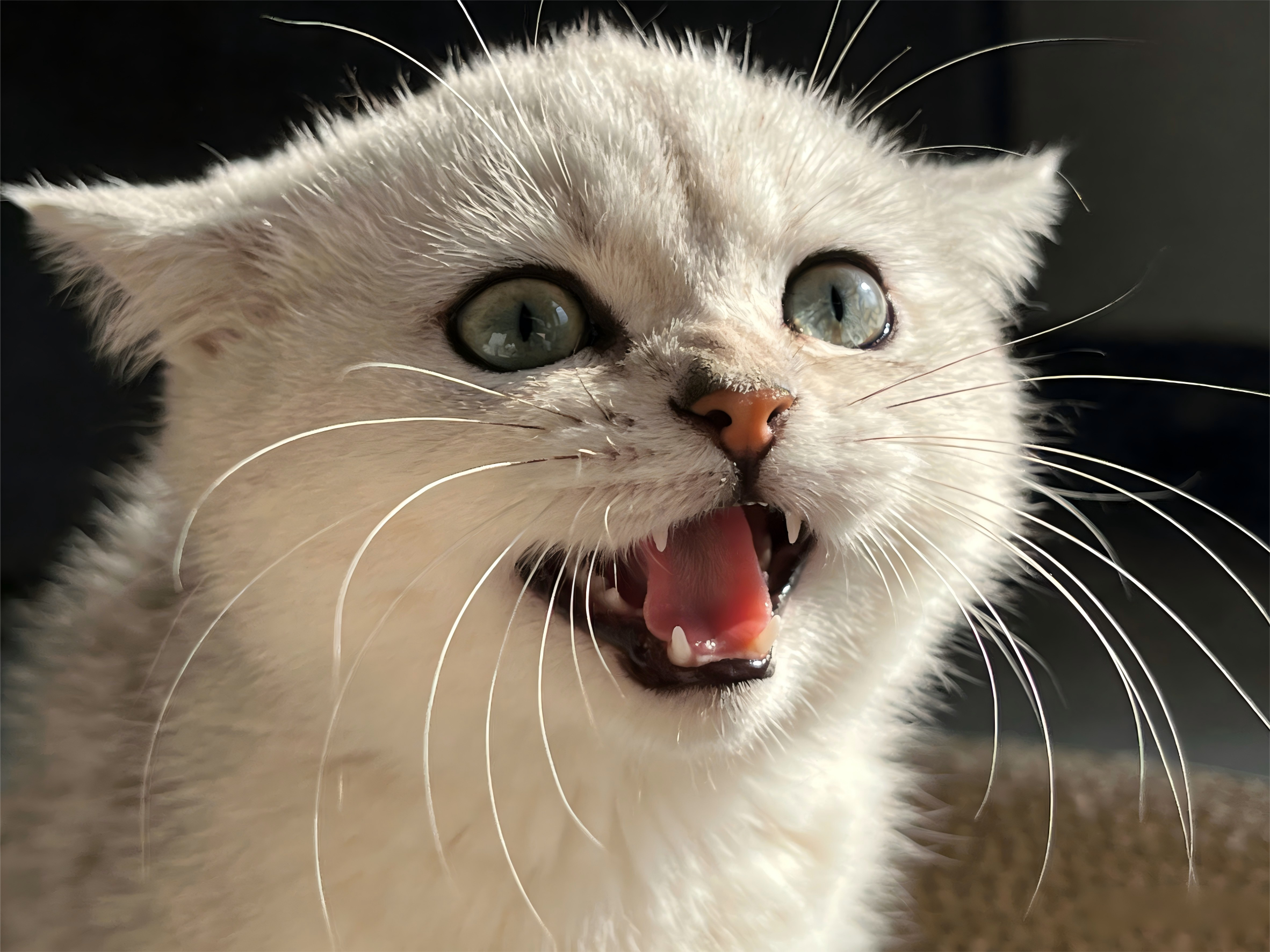
If your cat has suddenly become a nonstop chatterbox—meowing at odd hours, demanding attention, or yowling at night—you’re not alone. Many cat owners face this challenge and wonder, “Is my cat trying to tell me something?” Excessive meowing isn’t just annoying; it often signals unmet needs, stress, or even medical issues. In this article, we’ll explore the most common reasons behind persistent meowing, how to respond (and when to worry), and practical tips to help your cat feel calm and content.
🔎 What’s “Normal” Meowing vs. Excessive Meowing
Cats meow for many reasons — greeting you, asking for food, or simply saying hello. ASPCA+2Catster+2
But when the vocalization becomes frequent, loud, or persistent — especially outside normal “communication” times — it may be a sign that something else is going on. Veterinary Care at Your Fingertips+1
If your cat’s meowing is accompanied by other changes (appetite, behavior, mood, litter-box habits), it’s worth paying attention to.
✅ Common Reasons Cats Meow Excessively
Here are the most frequent triggers behind a meowing cat — from basic needs to serious health issues.
1. Attention, Boredom or Loneliness
-
Cats left alone for long hours may meow to get attention. ASPCA+1
-
Sparse play or lack of enrichment can make cats vocal out of frustration or boredom. expertcatcare.com+1
-
Routine changes (new home, new schedule, new pet/member) can stress cats and trigger extra vocalization. Veterinary Care at Your Fingertips+1
2. Hunger, Thirst or Basic Needs
-
Cats often meow to remind owners about mealtime or water bowl. 宠物医疗+1
-
If feeding times or quantity changes, cats may meow persistently. Purrfect Pet Grooming+1
3. Health Issues, Pain, or Discomfort
Meowing can be the earliest sign of discomfort or illness:
-
Dental problems, arthritis, or injuries causing chronic pain. 宠物医疗+1
-
Urinary tract infections, kidney disease, or other internal issues. 宠物医疗+1
-
Thyroid problems, elevated blood pressure, or other age-related conditions (especially in senior cats). 宠物医疗+1
-
Loss of hearing or vision — disoriented cats often become more vocal. 宠物医疗
4. Stress, Anxiety or Environmental Change
Cats are sensitive to changes in their surroundings.
-
New furniture, unfamiliar smells, or loud noises can cause distress. expertcatcare.com+1
-
Multi-pet households, territorial conflicts, or outside animals visible through windows can also trigger meowing. expertcatcare.com+1
5. Age-Related Behavior / Cognitive Decline (Senior Cats)
Older cats may suffer from cognitive dysfunction, hearing or vision loss — leading to confusion and increased vocalization. 宠物医疗+1
They may yowl at night, pace, or vocalize more due to disorientation. 宠物医疗+1
6. Hormonal or Reproductive Behavior
Unspayed females (or unneutered males) may vocalize more during heat or mating-related stress — yowling and persistent meowing are common. Catster+1
Spaying/neutering often resolves such excessive vocal behavior. 宠物医疗+1
🧠 How to Diagnose the Cause: What to Check First
Before getting frustrated or scolding your cat, walk through this quick checklist to identify the root cause:
-
Are basic needs met? (Food, water, clean litter box) ✅
-
Has anything changed recently? (Home environment, routine, new pets) ✅
-
Is your cat showing other symptoms — weight loss, appetite change, litter box pain, lethargy, coat change, or signs of discomfort? ✅
-
Is your cat elderly (possible cognitive decline)? ✅
-
Is your cat unspayed/unneutered and of mating age? ✅
If the answer to any of these is yes — adjust accordingly or book a vet visit.
🛠️ Practical Solutions to Reduce Excessive Meowing
Here are actionable strategies to address common causes of excessive meowing:
1. Meet Basic Needs Consistently
-
Keep a regular feeding and water schedule
-
Ensure litter box is clean & accessible
-
Provide clean, fresh water — some cats prefer fountains or running water
2. Enrich Their Environment
-
Offer daily interactive play (at least 10–20 min, 2–3 times)
-
Provide toys, climbing structures, scratching posts, and window perches
-
Rotate toys regularly to keep interest
3. Maintain Routine
Cats thrive on consistency. Try to keep feeding, play, and sleeping times stable. Sudden changes may stress them — avoid frequent rearrangements, loud events, or major routine shifts at once.
4. Don’t Reward Attention-Seeking Meows
If meowing becomes a “strategy” to get what they want (food, play, attention), ignoring repeated meows is often better. Reward quiet behavior instead. 宠物医疗+1
5. Schedule a Vet Check
If meowing is sudden, persistent, or paired with other worrying symptoms — schedule a vet appointment to rule out pain, internal illness, or senior-cat issues (thyroid, kidney, arthritis, cognitive).
6. Consider Spaying / Neutering
If your cat is unaltered, spay/neuter may reduce mating-related yowling and reduce stress, marking behavior, and unwanted litters.
7. Use Calming Techniques for Stress / Anxiety
-
Provide safe hiding spaces or perches
-
Use pheromone diffusers or calming sprays if recommended by vet
-
Keep interactions gentle and predictable
📘 When to Call the Vet — Warning Signs You Shouldn’t Ignore
Persistent meowing plus any of the following should prompt a veterinary check-up:
-
Sudden weight loss or appetite change
-
Increased thirst or urination
-
Difficulty urinating or defecating
-
Limping or apparent pain
-
Changes in coat or skin (hair loss, sores)
-
Disorientation or balance issues (especially in older cats)
-
Sudden aggression or drastic behavior changes
Prompt intervention can catch serious issues early and ensure better outcomes.
✨ Conclusion: Understanding & Responding to Your Cat’s Voice
Meowing is how cats talk to us — it’s their language. Understanding why your cat meows so much is the first step toward building a happier, healthier life together. Whether the cause is simple (hunger, attention) or serious (illness, stress), being attentive, patient, and proactive can make a big difference.
Regular routine, environmental enrichment, medical care when needed — that’s the heart of responsible cat care. Next time your whiskered companion raises its voice, you’ll know how to listen back.
Share:
Smart Pet Product Unboxing: Why the Wisdomtail Hexagonal Dryer Is a Must-Have for All Pet Owners
Cat Zoomies Explained: Why Your Cat Gets Sudden Energy Bursts & When to Worry