
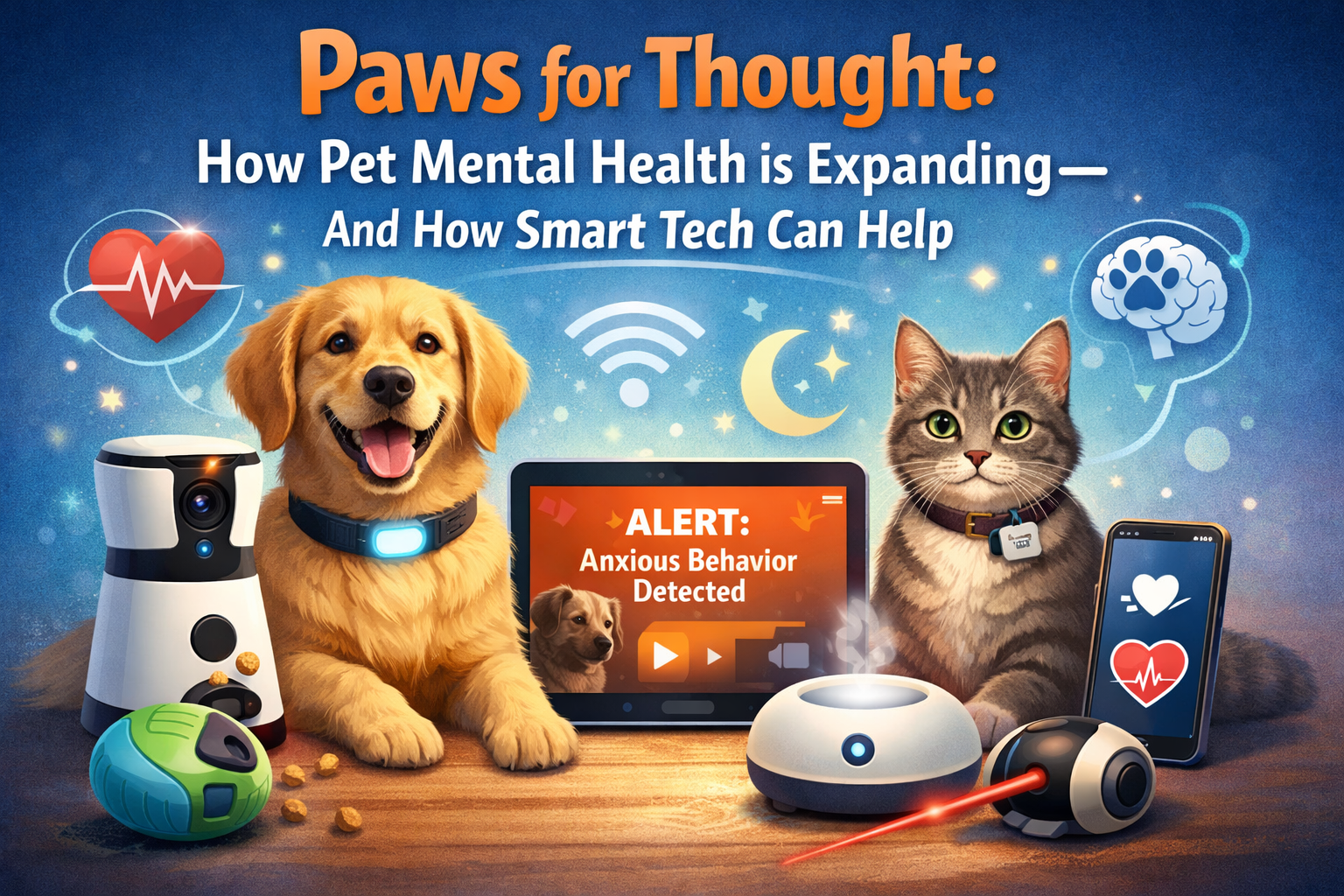
The Silent Struggle: Understanding Pet Mental Health
When Emma started coming home to shredded pillows and scratched door frames, she assumed her dog Max was being “naughty.” He only behaved this way when she was at work, and no amount of training seemed to help. Meanwhile, her friend noticed her cat Luna grooming the same patch of fur until it thinned—then disappeared altogether.
What many pet parents don’t realize at first is that these behaviors aren’t disobedience or quirks. They’re often signs of something deeper: poor pet mental health.
For decades, pet care focused almost entirely on physical needs—food, vaccines, exercise. But today, veterinarians and animal behaviorists agree that mental and emotional wellbeing is just as essential. Pets experience stress, anxiety, boredom, and even depression, especially in modern living environments.
Studies suggest that up to 20–40% of dogs show signs of anxiety, with separation anxiety being one of the most common issues. Cats, while more subtle, frequently display stress-related behaviors that go unnoticed or misunderstood.
Pet mental health is no longer a luxury concept. It’s a science-backed, necessary part of responsible pet parenting—and smart technology is helping bridge the gap between awareness and action.
Recognizing the Signs: Is Your Pet Struggling?
Mental health challenges in pets don’t always look dramatic. More often, they appear as small changes in behavior that build over time.
Common Signs of Anxiety in Dogs
Dogs are expressive, but stress signals are easy to miss if you don’t know what to look for.
Body language indicators include:
-
Tucked tail or stiff posture
-
Ears pinned back
-
Excessive lip licking or yawning
-
Avoiding eye contact
Behavioral changes may include:
-
Excessive barking or whining
-
Destructive chewing or digging
-
Changes in bathroom habits
-
Pacing or restlessness
These signs often worsen when dogs are left alone, exposed to loud noises, or experience changes in routine—classic triggers for dog anxiety signs.
Symptoms of Depression in Cats
Cats tend to internalize stress, making cat depression symptoms harder to detect.
Common red flags include:
-
Withdrawing from social interaction
-
Hiding more than usual
-
Changes in appetite
-
Sleeping significantly more—or less
-
Over-grooming or neglecting grooming entirely
A cat that suddenly “loses interest” in play or affection may not be aging or becoming aloof—it could be struggling emotionally.
Key insight: These behaviors are not “bad habits.” They are communication signals—your pet’s way of saying something isn’t right.
Why Pet Mental Health Matters Now More Than Ever
Modern Lifestyles, Modern Stress
Pets today live in a very different world than their ancestors. Longer work hours, hybrid schedules, frequent moves, and smaller living spaces all affect pet mental wellness.
A dog left alone for eight hours a day or a cat without adequate stimulation can easily slip into chronic stress or boredom.
Advances in Animal Emotion Science
Research over the last decade has transformed how we understand animal emotions. Studies confirm that mammals experience emotional states similar to humans, including fear, joy, frustration, and grief.
This growing animal mental health awareness is reshaping veterinary care, training methods, and pet product innovation.
The Mind–Body Connection
Mental stress doesn’t stay in the mind. In pets, prolonged emotional strain is linked to:
-
Skin conditions and excessive shedding
-
Digestive issues
-
Weakened immune response
-
Increased risk of chronic illness
Caring for pet emotional wellbeing isn’t just about happiness—it’s about long-term health.
The Smart Home Solution: Technology for Pet Emotional Wellness
Smart technology has quietly become one of the most effective tools for supporting pet mental health—especially for busy pet parents.
Smart Monitoring & Early Intervention
AI-powered pet cameras now do more than stream video.
They can:
-
Detect pacing, excessive barking, or inactivity
-
Identify patterns linked to stress or anxiety
-
Send real-time alerts when behavior changes
This allows pet parents to spot issues early—before anxiety becomes a long-term problem.
Interactive & Cognitive Stimulation Solutions
Mental enrichment is a cornerstone of enrichment for pets, and technology excels here.
Smart feeding and puzzle toys:
-
Turn mealtime into a problem-solving activity
-
Reduce boredom and destructive behaviors
-
Encourage natural foraging instincts
Programmable motion toys:
-
Keep pets active even when you’re not home
-
Provide novelty and unpredictability
-
Support both physical and mental engagement
Environmental Optimization Devices
Your pet’s environment directly impacts their mood.
Smart pheromone diffusers release calming signals that mimic natural reassurance, helping reduce anxiety in stressful situations.
Adaptive lighting systems simulate natural daylight cycles, supporting circadian rhythms—especially helpful for indoor cats and pets in apartments.
Remote Connection Tools
Separation doesn’t have to mean disconnection.
Two-way audio cameras and treat dispensers let you:
-
Speak to your pet during anxious moments
-
Reward calm behavior remotely
App-controlled laser or play devices allow scheduled play sessions, reinforcing routine and emotional security.
Beyond Technology: Holistic Approaches to Pet Mental Health
While smart tools are powerful, they work best as part of a broader approach.
The Irreplaceable Value of Human Interaction
No device replaces quality time. Daily play, gentle training, and affection remain foundational to pet mental health.
Environmental Enrichment Basics
Simple, non-tech enrichment still matters:
-
Scratching posts and climbing structures
-
Rotating toys to maintain novelty
-
Safe outdoor time or window perches
When to Seek Professional Help
If behavioral issues persist or worsen, consult:
-
A veterinarian to rule out medical causes
-
A certified animal behaviorist for tailored support
Mental health deserves the same professional attention as physical health.
5 Action Steps You Can Start Today
-
Observe and log your pet’s daily behavior and routines
-
Introduce one smart interactive toy, starting with 15 minutes a day
-
Create a calm “safe zone” with soft bedding and minimal noise
-
Establish predictable routines for feeding, play, and rest
-
Schedule an annual behavior wellness check alongside vet visits
Small, consistent changes often lead to big emotional improvements.
A New Era of Compassionate Care
Pet parenting is evolving. Today, caring for animals means recognizing that their emotional lives matter as much as their physical health.
By understanding pet mental health, recognizing early warning signs, and using smart technology thoughtfully, we can create environments where pets don’t just survive—but truly thrive.
Technology is not a replacement for love or presence. It’s a tool—one that empowers pet parents to be more attentive, proactive, and compassionate.
Start by observing. Start small. Your pet’s mind will thank you.
Share:
Beyond Black & White: What Colors Can Dogs Really See, and Do They Have a Favorite?